

 Portal
Water-Washable
Excess penetrant removed directly with water, suited to high-throughput field inspection.
Detection of surface-breaking discontinuities in non-porous materials by capillary penetration.
Liquid Penetrant testing (PT) identifies surface-breaking discontinuities (cracks, pores and lack of fusion) in non-porous metallic and non-metallic materials. A low-viscosity penetrant is applied to the surface, seeps into any discontinuities by capillary action and, after excess removal, a developer draws the indication out for visual interpretation.
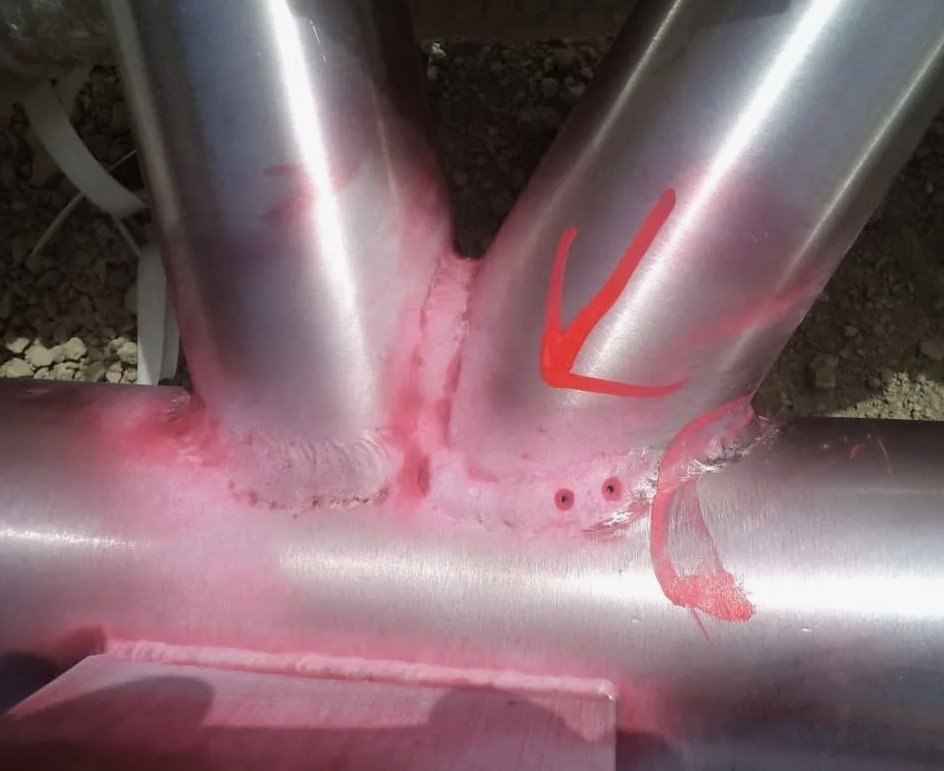
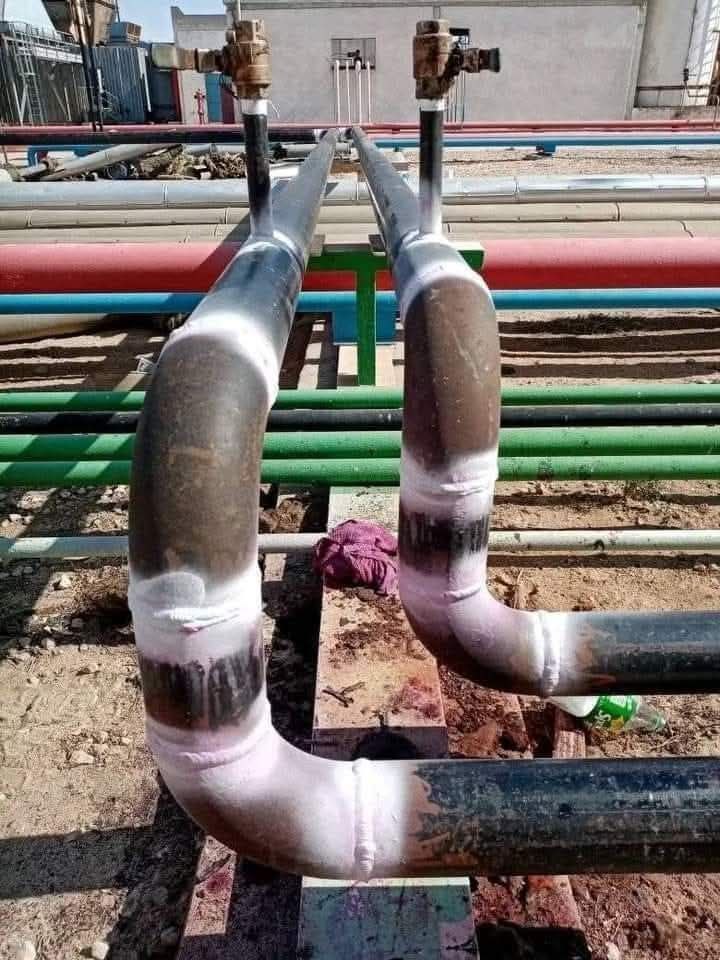
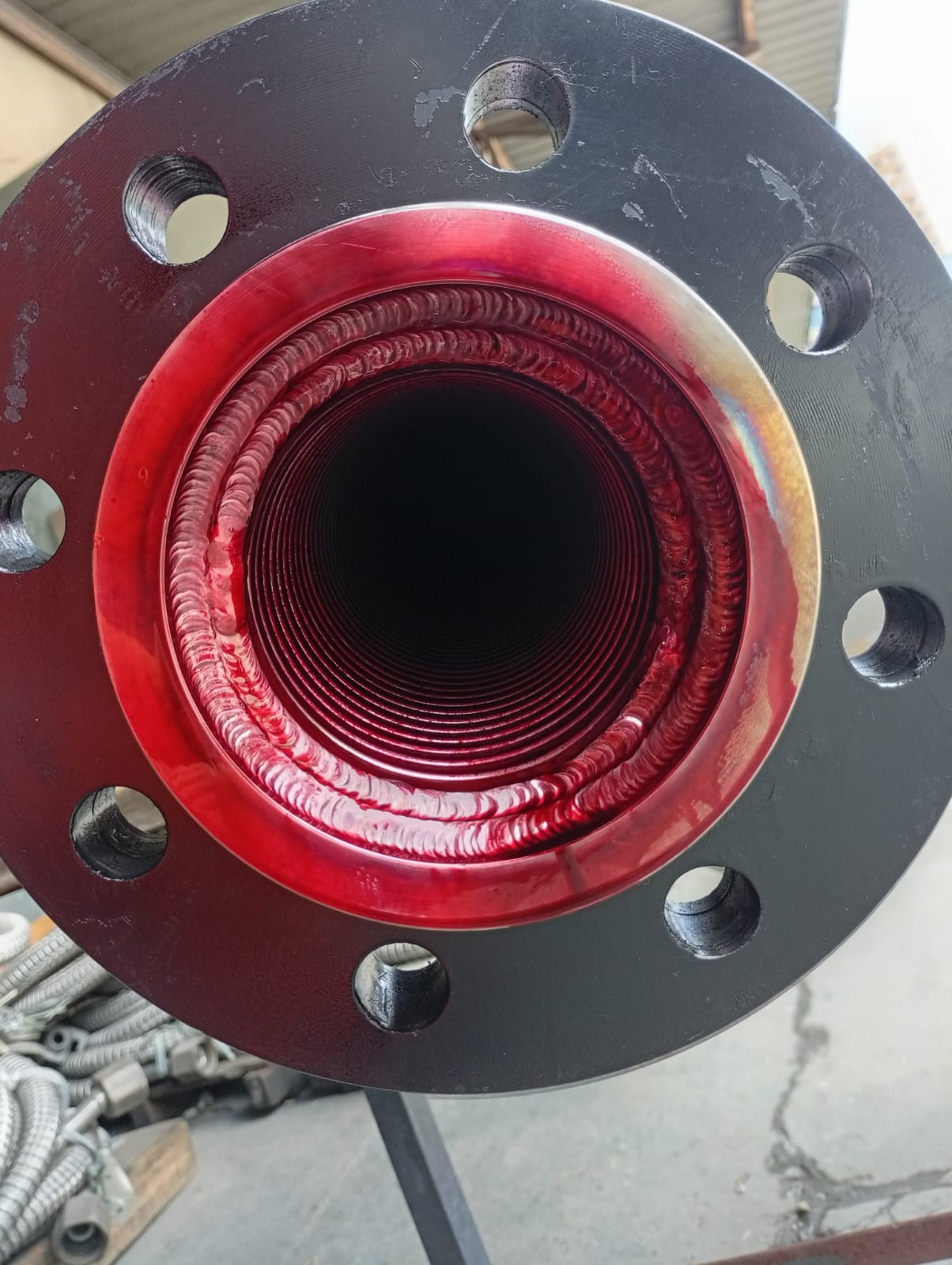
Excess penetrant removed directly with water, suited to high-throughput field inspection.
Removal with a solvent-dampened cloth, ideal for localised or restricted-access inspection.
Interpreted under white light, with no need for a dark booth or UV lamp.
Higher detection sensitivity, interpreted under ultraviolet (black) light in a darkened area.
Submit your project data and get immediate routing from our engineering team.